

Fifteen sports-based ideas for employee motivation, each with the team it suits, its relative cost and what it actually produces.
Most lists of employee motivation activities name the same five things: five-a-side football, bowling, a picnic, a dinner, an escape room. This article does something different — it classifies 15 ideas by budget band, team profile and what they actually produce.
Because the right question is not "what should we do?" but "which problem are we trying to solve?"
Clarify the goal first
Motivation activities are usually used to solve four different problems, and each needs a different format:
- Bonding: Departments do not know each other
- Reward: An intense period has ended and thanks are due
- Energy: The team is tired and the pace is low
- Belonging: The message that "the company is thinking about us"
Low budget: in or near the office (1–5)
1. An office table tennis championship
A tournament spread over weeks, played at lunchtimes. One table, a draw on a board and a small trophy are enough. What it produces: a live topic lasting weeks — something one-day events cannot do. Suits: every team.
2. An in-office stretching workshop
20–30 minutes in office clothes, standing and seated. The lowest-barrier wellness format, with attendance above every other programme. What it produces: concrete physical relief plus the habit of regular repetition. Suits: desk-based teams.
3. A chair massage day
A masseur comes to the office, 12–15 minutes per person, clothes stay on. The highest-attendance wellness format, because it asks nothing of the employee. What it produces: the direct perception that "the company thought of us". Suits: after an intense period.
4. A darts or boules tournament
Skill-based, no physical load, no age or fitness limit. Can be set up in an office corridor or a nearby venue. What it produces: low-barrier competition. Suits: mixed-fitness teams.
5. An internal step challenge
A four-week team-based step count competition via phones or smartwatches. Almost zero cost. What it produces: the only format that also includes remote workers. Suits: hybrid and distributed teams.
Mid budget: half or full day (6–11)
6. A padel or pickleball day
Rotating mini matches where everyone plays with everyone. A very low learning barrier — playable within the first hour. What it produces: an introduction mechanism; a participant pairs with 8–10 different people in a day. Suits: a bonding goal.
7. A bowling tournament
Classic but still effective. Indoors, no weather risk, and almost everyone has played before. What it produces: a low-risk day with a firm date. Suits: companies running their first event.
8. A scenario-based paintball or airsoft team event
A full day built on mission cards with scoring. What it produces: genuine team coordination and material for an end-of-day debrief. Suits: teams with a younger average age; take care with wide fitness spreads.
9. An escape room tournament
Teams in parallel rooms racing the clock. Entirely mental; no physical participation required. What it produces: role allocation under problem-solving becoming visible. Suits: mixed fitness, any age.
10. A city cycling tour
15–25 km on a coastal path or forest route, with pace groups. What it produces: a shared physical achievement plus one-to-one conversation along the way. Suits: moderately fit teams; e-bikes make mixed groups possible.
11. An archery or axe-throwing workshop
Skill-based, unusual and photogenic. No strength advantage. What it produces: the "I've never done this before" effect — novelty matters at least as much as fun in motivation events. Suits: every team.
High budget: full day and beyond, out of the city (12–15)
12. A sports festival or company olympics
6–8 parallel stations, team rotation, a central scoreboard and an award ceremony. What it produces: a day in which everyone in a large group is good at something. Suits: groups of 80+; can be extended with family participation.
13. A corporate obstacle race
A course built for your company, with an easier alternative and a right to skip at every obstacle. What it produces: concrete collaboration built on getting the struggling member through. Suits: 30–150 people, mixed fitness.
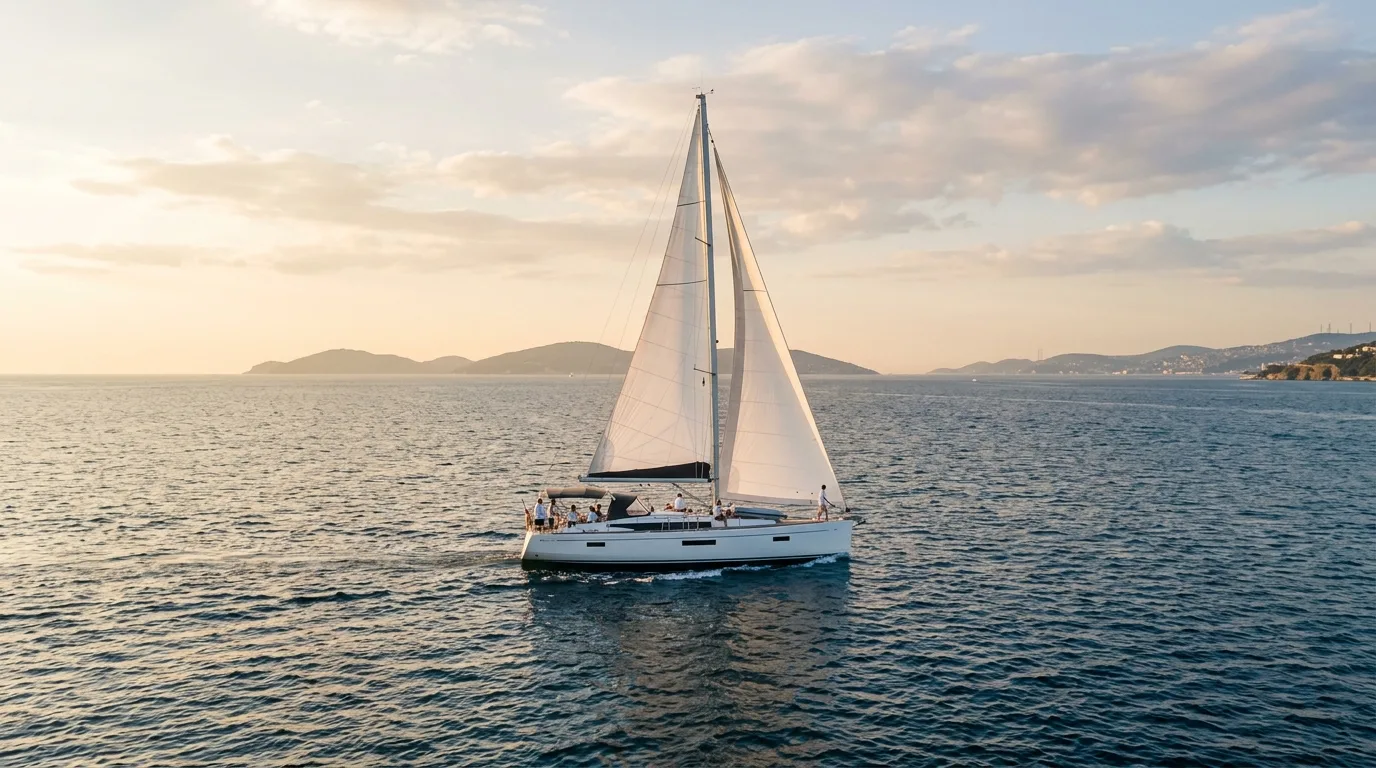
14. A corporate sailing regatta
Departments on separate boats racing short courses, with a professional skipper on each. What it produces: direct observation of team behaviour through role allocation on the boat. Suits: 24–60 people; high prestige value.
15. An overnight retreat or camp
One or two nights out of the city; sport plus wellness plus an evening programme. What it produces: the real value is the evening conversation — when hierarchy softens and real discussions happen. Suits: leadership teams and newly merged groups; remember it has the lowest attendance rate.
Quick selection by goal
| Goal | What works best |
|---|---|
| Bonding | Padel/pickleball day, sports festival, escape room |
| Reward | Chair massage, overnight retreat, bowling plus dinner |
| Energy | Stretching workshop, step challenge, cycling tour |
| Belonging | Office championship, weekly programme, family day |
Realistic expectations
It is worth being honest about motivation events: a single event does not produce lasting change. Low motivation caused by excessive workload, unclear goals and poor management is not solved by an activity that lasts a day.
What events genuinely produce is this: familiarity between departments, a shared memory, a short-term lift in energy and the perception that "the company thought about this". These are valuable and they work when framed correctly — overstated, they backfire with employees.
If lasting impact is the goal, choose an ongoing format rather than a single event: a weekly programme, an office championship, a league. A single day produces a memory; a routine produces a habit.

Leave a Comment