
Anasayfa Blog Padel, Bowling or Five-a-Side? Eight Activities Compared for a Team of 30
Corporate Events 5 dakika okuma 0 görüntülenme

Padel, Bowling or Five-a-Side? Eight Activities Compared for a Team of 30

Eight popular formats for a team of 30: how many actually play, who gets left out, and how long each takes.

Padel, Bowling or Five-a-Side? Eight Activities Compared for a Team of 30
Contents
Quick Take / Key Takeaway

Eight popular formats for a team of 30: how many actually play, who gets left out, and how long each takes.

Thirty people is a critical threshold for a corporate event. Large enough that the group has to be split into teams, yet small enough that everyone meeting everyone is still possible.

This article compares eight popular formats for a team of 30. The focus is not "which is more fun" — it is how many of the 30 actually play, who gets left out, and how long it takes.

Comparison table

Format Active at once Duration Fitness barrier Weather risk New contacts
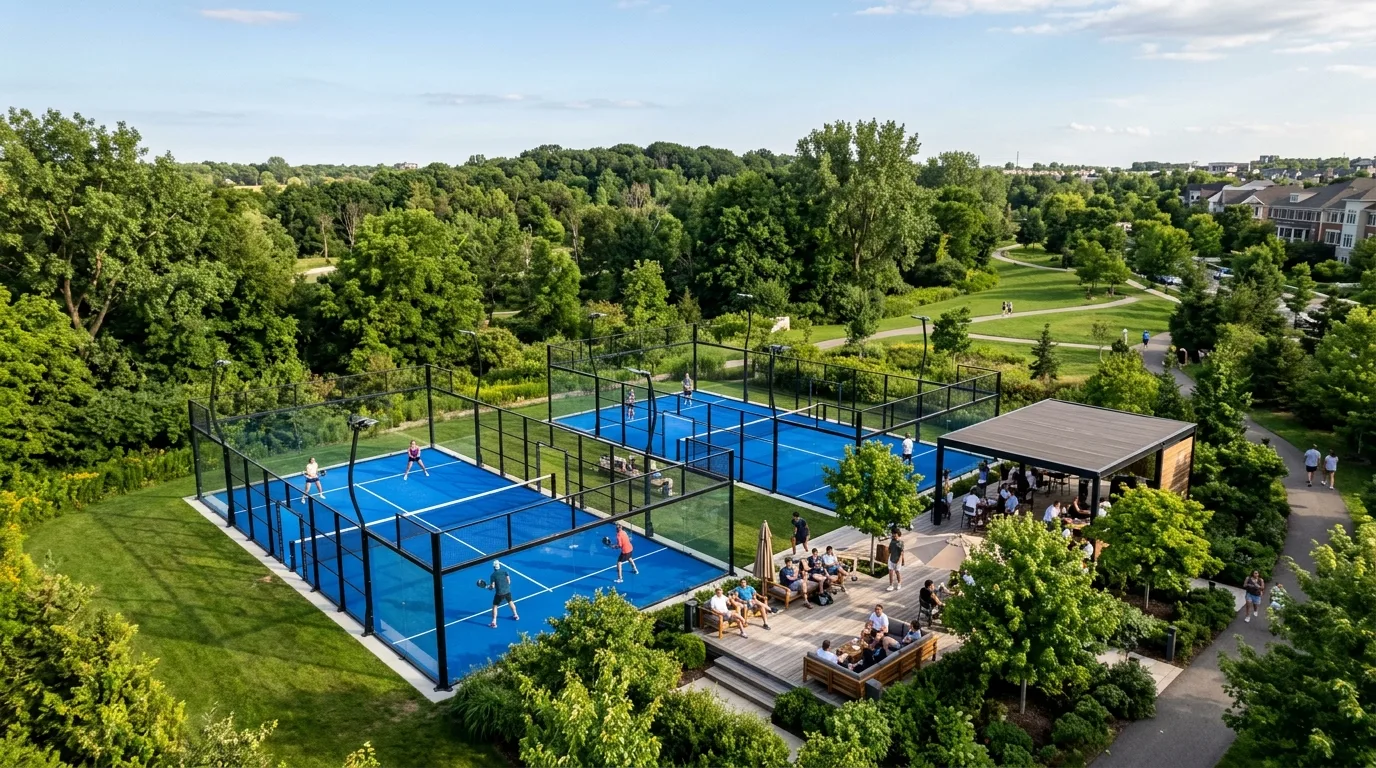
Padel4 per court (rotating)4–5 hoursLow–moderateNone indoorsHigh (8–10 people)
Bowling5–6 per lane3–4 hoursVery lowNoneModerate (5–6)
Five-a-side12–143–4 hoursHighNone indoorsLow (same team)
Escape room5–6 per room2–3 hoursNoneNoneLow–moderate
Paintball / airsoftAll4–6 hoursModerate–high✓ YesModerate
Archery / axe throwing6–8 per line2–3 hoursVery lowNone indoorsModerate
Cycling tourAll4–6 hoursModerate✓ YesHigh (one-to-one en route)
SailingAll (6–8 per boat)Full dayLowYes (wind)Moderate (intense on board)

Format by format

1. Padel — the most effective for bonding

Organising 30 people: 3–4 courts, rotating mini matches (10–12 minutes), with pairings changing each round.

  • Plus: A participant pairs with 8–10 different people in a day — the highest contact count on the list. A very low learning barrier, playable within the first hour.
  • Minus: Finding 3–4 courts at the same time is not always easy; with fewer courts, waiting time rises.
  • Who it leaves out: People with knee or ankle problems; plan alternative roles (scoring, organising).

2. Bowling — the lowest risk

Organising 30 people: 5–6 lanes, 5–6 people per lane, team-based scoring.

  • Plus: Everyone has played before, no learning time, an almost zero fitness barrier and no weather risk.
  • Minus: Limited contact — you stay with the 5–6 people on your lane. Without lane rotation it serves a bonding goal poorly.
  • Ideal for: Companies running their first event; plans that cannot take risk.

3. Five-a-side — the most deceptive choice

Organising 30 people: 4–5 teams of seven, in a mini league of short matches.

  • Plus: The best-known corporate format; easy to organise.
  • Minus — and this is critical: In an office team of 30, the number who can actually play football rarely exceeds 15–18. The rest either spectate or do not come at all. One of the lowest attendance formats on the list.
  • Who it leaves out: Participation by women stays low in most teams; the over-45s and the less fit struggle.
  • How to fix it: A mixed-team rule (at least X women per side), short matches, and a parallel second activity (table tennis, darts).

4. Escape room — for teams with wide fitness gaps

Organising 30 people: 5–6 parallel rooms, a race against the clock, then a debrief.

  • Plus: No physical participation, so age, fitness and health are not obstacles. Makes role allocation within the team visible.
  • Minus: Short (2–3 hours); it does not fill a day on its own. No contact with people outside your own room.
  • Pairs well with: A meal or a second short format, which together make a complete programme.

5. Paintball / airsoft — the highest energy

Organising 30 people: Two teams of 15, in scenario-based mission rounds.

  • Plus: The whole group is active at once; it produces genuine team coordination, and with mission cards it generates material for an end-of-day debrief.
  • Minus: Moderate to high physical load; part of a mixed-fitness group will struggle. Some employees keep their distance from the format itself.
  • Who it leaves out: People with physical limitations and those uncomfortable with a combat-themed format — attendance must be voluntary.

6. Archery / axe throwing — the most inclusive

Organising 30 people: 4–5 throwing lines, rotating, as a scored tournament.

  • Plus: Skill-based — no strength or fitness advantage. A 25-year-old and a 60-year-old compete on equal terms. A strong "I've never done this before" effect.
  • Minus: Short (2–3 hours); it does not fill a full day alone. The low tempo can feel insufficient for teams looking for energy.

7. Cycling tour — the only format that produces one-to-one conversation

Organising 30 people: 2–3 pace groups, 20–30 km, with stopping points.

  • Plus: Natural conversation develops between two people riding side by side — a kind of contact no tournament format produces. A strong sense of shared physical achievement.
  • Minus: Weather risk; people who cannot cycle or have not ridden for years struggle.
  • How to fix it: An e-bike option removes the fitness gap entirely and raises attendance markedly.

8. Sailing — the highest prestige value

Organising 30 people: 4–5 boats, 6–8 per boat, a professional skipper, short course races.

  • Plus: Role allocation on the boat makes team behaviour directly observable. A new experience for most participants; it produces a day worth talking about.
  • Minus: Needs a full day; depends on wind conditions; among the highest-cost formats on the list. Difficult for anyone prone to seasickness.
  • Ideal for: The flagship annual event; leadership teams; events with client participation.

Choosing by goal

Your goalRecommendationWhy
Departments should bondPadelRotation gives the highest new-contact count
Nobody should be left outArchery / axe throwingNo fitness or age advantage
I cannot take riskBowlingNo weather risk, everyone can play, predictable duration
I want high energyPaintballThe whole group is active at once
I want real conversationCycling tourProduces one-to-one conversation en route
Wide age/fitness gapEscape roomNo physical participation required
An unforgettable daySailingThe highest prestige and novelty value
Tight budgetBowling / escape roomShort, indoors, low transport cost

The most common mistake

For teams of 30, the most common mistake is choosing the format according to the taste of whoever decides. A manager who likes football picks five-a-side, half the team does not come, and the event is judged a failure.

There is a simple fix: two or three weeks before, send a one-question survey with three options. More important than which they choose is which they say they would not attend — and that is the real information.

Rate this article

Was this content helpful?


Rate this article (1-5 stars):

0
Helpful
0
Not Helpful
0.0
Average Rating
0
Total Ratings
ÖK

Editor, Kurumsal Sporlar

Creates content for the Kurumsal Sporlar team. Helps companies strengthen their team culture through sports-based organizations.

Frequently Asked Questions

Which activity suits a team of 30 best?
It depends on the goal. For bonding between departments, padel — in rotating mini matches a participant pairs with 8–10 different people, the highest contact count on the list. So nobody is left out, archery or axe throwing (no fitness or age advantage). To avoid risk, bowling. For high energy, paintball. For real conversation, a cycling tour. For wide age or fitness gaps, an escape room.
Why is five-a-side risky for a team of 30?
In an office team of 30, the number who can actually play football rarely exceeds 15–18; the rest either spectate or do not come. It is one of the lowest-attendance formats on the list. Participation by women stays low in most teams, and the over-45s and less fit struggle. To fix it, add a mixed-team rule (at least X women per side), short matches and a parallel second activity such as table tennis or darts.
Are short formats enough on their own?
An escape room (2–3 hours) and archery or axe throwing (2–3 hours) do not fill a full day alone. Combined with a meal or a second short format they make a complete programme. Padel (4–5 hours), bowling (3–4 hours) and paintball (4–6 hours) stand as a half or full day on their own; sailing requires a full day.
What works for a team with a wide fitness gap?
Three options. An escape room needs no physical participation, so age, fitness and health are not obstacles. Archery and axe throwing are skill-based — a 25-year-old and a 60-year-old compete on equal terms. On a cycling tour, adding e-bikes removes the fitness gap entirely and raises attendance markedly. For padel, plan alternative roles for anyone with knee or ankle problems.
What is the most common mistake in choosing a format?
Choosing it according to the taste of whoever decides. A manager who likes football picks five-a-side, half the team does not come, and the event is judged a failure. The simple fix: two or three weeks beforehand, send a one-question survey with three options. More important than which they pick is which they say they would not attend — that is the real information.

Comments (0)

Share your thoughts with us

Leave a Comment

No comments yet. Be the first to comment!

Interactive Planning Tool

Build Your Company’s 3, 6 or 12-Month Sports Calendar

Interactively select team size, starting month, and focal disciplines (tournaments, wellness, water sports, outdoor retreats). Get an instant date-spread proposal draft sent directly to your inbox.

✓ 1, 3, 6 and 12-Month Options
✓ Balanced Sports & Wellness Mix
✓ Free Email Proposal Draft
Corporate Event Calendar
3-6 AY
1. DÖNEM
Bosphorus Rowing & Team Icebreaker
Social engagement & team coordination
2. DÖNEM
Company Football / Padel League
6-week regular fixture & standings
3. DÖNEM
Sapanca Nature & Wellness Camp
Dragon boat, yoga & grand trophy final